

Seyeon Park
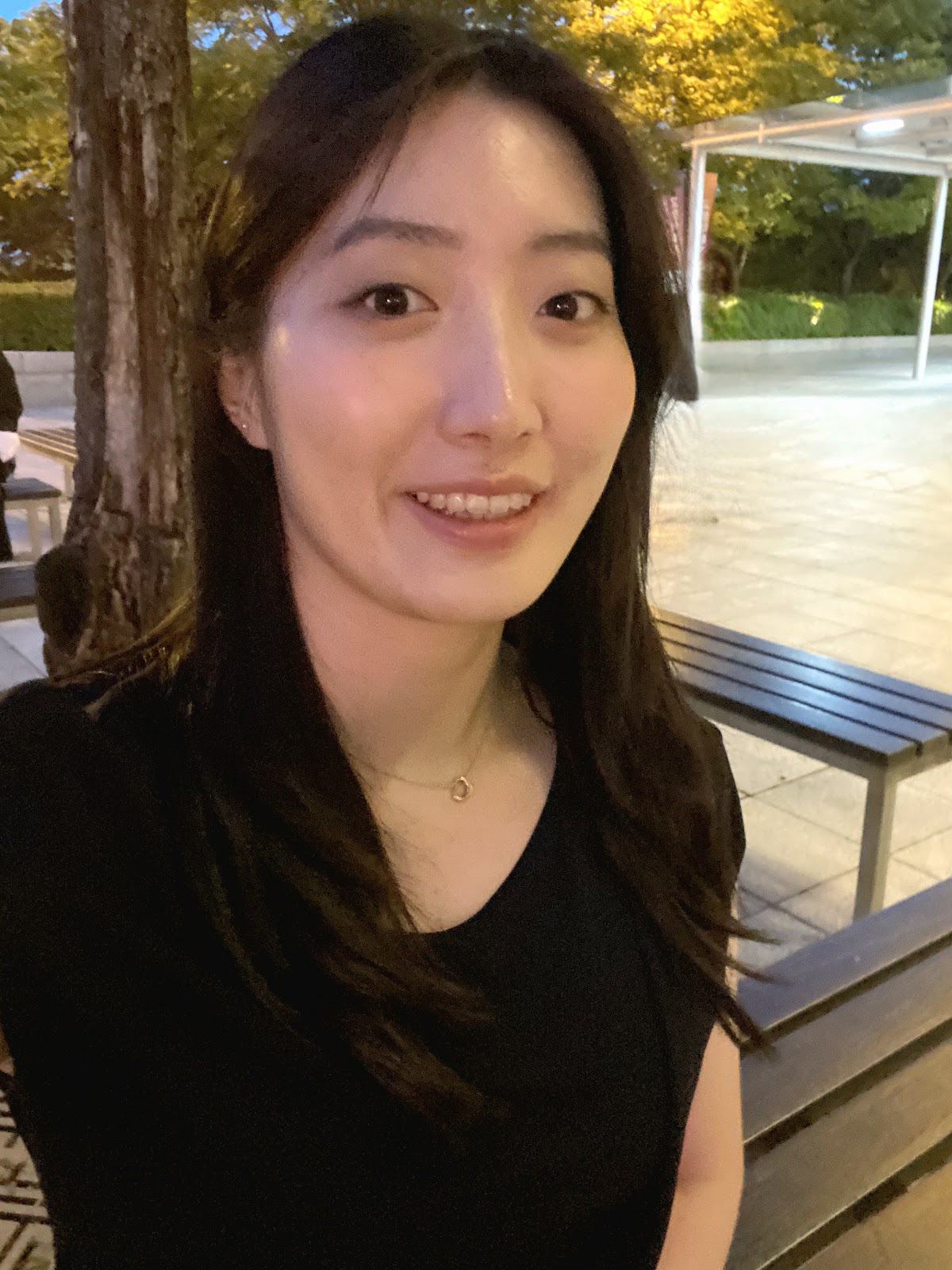
Seyeon Park earned her B.A. in Communications and Psychology and M.A. in Mass Communication from Sogang University. Her research interest is broadly concerned with health communication and persuasion. She is particularly interested in studying the mechanisms of mis/disinformation processing and how to build persuasive messages to achieve the effects of corrective information and improve biased attitudes toward outgroups in particular.
Publications
Artificial intelligence, deepfakes, and wars: How global news media frame actors, threats, and solutions in 19 countries
Collaborative research from the COMM department published in Media, War & Conflict
Author/Lead: Taufiq Ahmad, Seyeon ParkThis study analyzes 308 news articles published by 19 newspapers across 19 countries to examine the actors behind deepfakes, the associated threats, and the proposed solutions. Using the Russia–Ukraine war as a case study, the authors examined how newspapers frame deepfake-related actors, threats, and solutions during the conflict. Qualitative thematic analysis was used to analyze the data, and framing theory to interpret the findings. Findings reveal that the actors responsible for creating, distributing, and supporting deepfakes include state and political entities, technology companies and developers, criminal networks, covert channels, and propaganda agents. The threats posed by deepfakes span political, ethical, legal, social, security, and economic domains. Proposed solutions to counter deepfakes fall into several categories: technical, policy-based, regulatory, institutional, and educational. This research contributes to the growing body of literature on modern warfare, AI-generated disinformation, deepfakes, and the rapidly changing digital information ecosystem in the post-truth era.